We do not store credit card details.
Arduino MKR GPS Shield / ASX00017
We do not store credit card details.
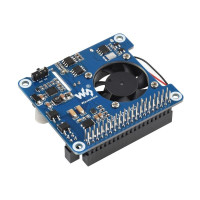
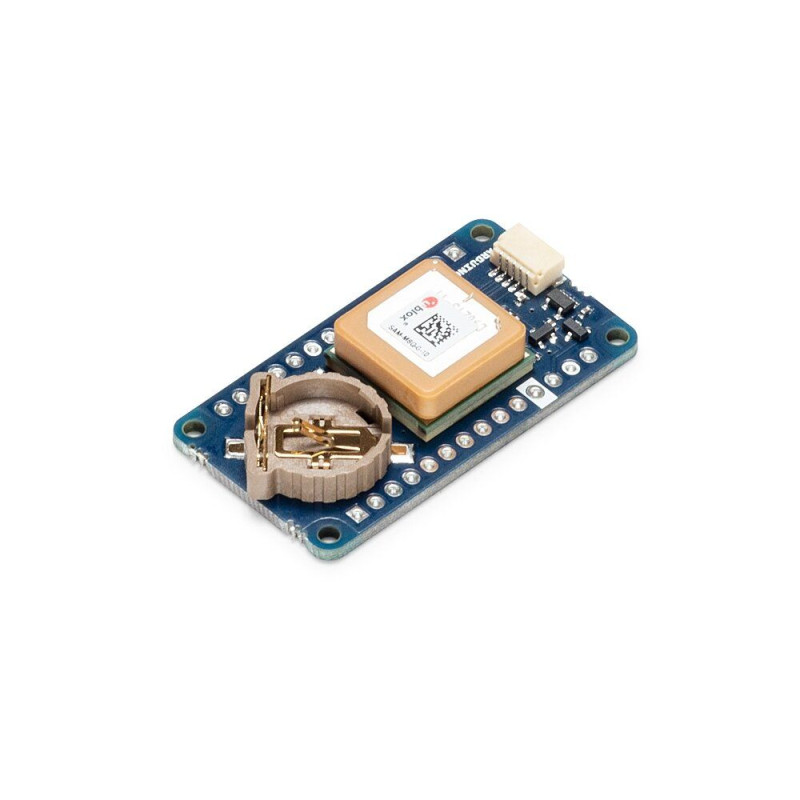
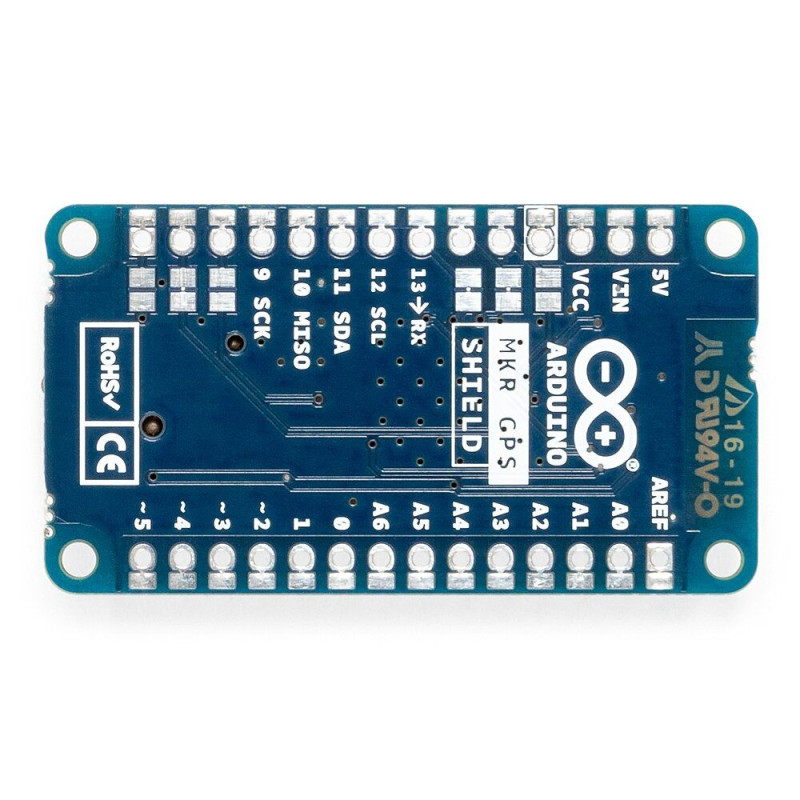
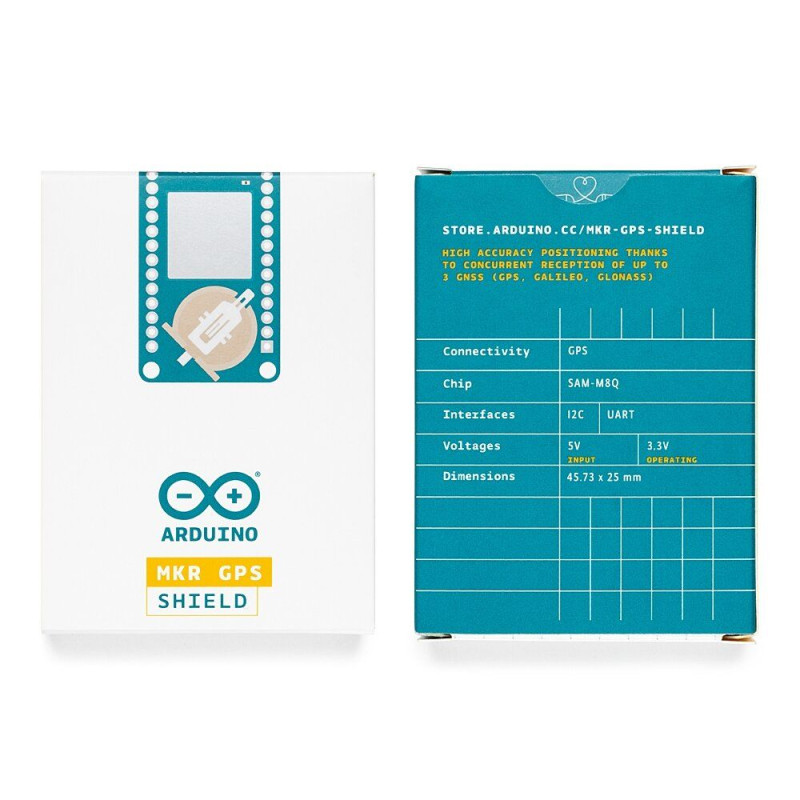
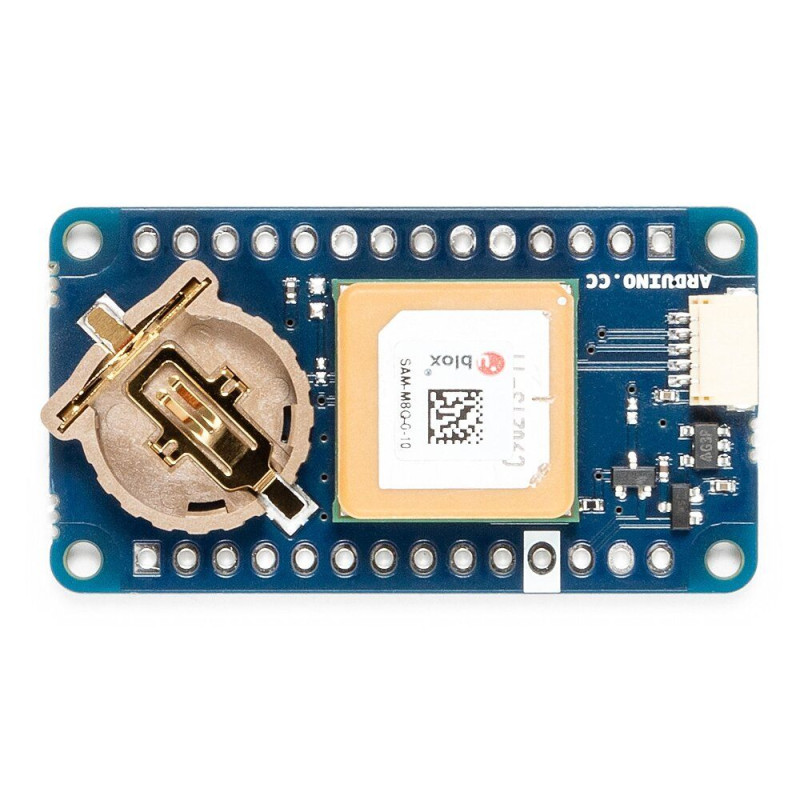
The MKR GPS Shield expansion card, based on the u-blox SAM-M8Q GNSS (Global Navigation Satellite System) module, is designed for projects that require device localization. It is designed to be used on MKR motherboards, but thanks to the Eslov connector, it can be connected to any platform whose board has such a connector.
This module is designed to work simultaneously with different positioning services. It receives and processes signals from GPS, GLONASS , and Galileo.
The MKR GPS Shield communicates with Arduino boards either via a serial interface (UART) when used with the main MKR form factor boards, or via an I2C interface and the dedicated ESLOV cable that is included.
Specifications:
| GNSS receiver. | u-blox SAM-M8Q module |
| Contacts. | MKR contacts / Eslov |
| Input voltage | 3.3V |
| Operating voltage | 3.3V |
| Backup power supply | CR1216 |
| Communication interfaces | Serial / I2C / DCC |
| Length | 45 mm |
| Width | 25 mm |
| Weight | 14 gr. |
Configuration commands and backup
The GPS module can be configured using special commands. The developer has included a built-in battery compartment in the system to save the configurations made using the software. This can be convenient, for example, when changing the GPS mode to 1g, which is often encountered in experiments at high altitude, where the device requires certain settings other than the default.
Another example is using the Galileo localization option, which is disabled by default but can be activated by sending a configuration message (UBXCFG-GNSS) to the receiver.
The Arduino_MKRGPS library handles two different interfaces and offers a consistent set of APIs designed to make full use of the received GPS information.
Additional I2C port
The MKR GPS Shield has an additional connector designed to expand the I2C bus. This is a 5-pin small form factor connector with a 1.0 mm pitch. Mechanical details of the connector can be found in its technical description. The I2C port, also called the Eslov self-identification port in Arduino, comes with: SDA, SCL, GND, +5V and an additional digital pin designed to send an alarm signal to simple I2C devices connected to it. The pin assignment is shown in the image:

The suggested connector for this additional I2C port is SHR-05V-S-B.
There are no reviews for this product.
There are no reviews for this product, be the first to leave your review.
No questions about this product, be the first and ask your question.